The government requires distributions from certain retirement accounts to ensure taxes are eventually paid on these accounts that have enjoyed tax-deferred growth. The RMD is the minimum amount you must withdraw from your retirement accounts each year. You generally must start taking withdrawals from your traditional IRA, SEP IRA, SIMPLE IRA, 401(k), 403(b), and 457(b) accounts when you reach age 73. 401(k) plan participants can generally delay taking RMDs until the year they retire.
Roth IRA
A Roth IRA is funded with post-tax dollars meaning you’ve already paid tax on $ and any distribution. RMD rules do not apply to Roth IRAs or Designated Roth accounts while the owner is alive. However, RMD rules do apply to the beneficiaries of ROTH IRA and Designated Roth accounts.
RMD First Distribution
The SECURE 2.0 Act of 2022 rasied the RMD age from 72 to 73, effective January 1. 2023. You must take your first RMD for the year in which you reach age 73. However, you can delay your first RMD until 4/1 of the following year. If you reach age 73 in 2025, you must take your first RMD by April 1, 2026, and the second by December 31, 2026.
RMD Distribution Calculation (How much do I need to take out annually?)
Divide the last 12/31 balance of the IRA or retirement plan account by the life expectancy factor from the Uniform Lifetime Table in IRS Publication 590-B. Choose the life expectancy table based on your situation.
* Your RMD will likely change every year based on these two numbers
AARP also has a useful RMD calculator here:
Can the account owner withdraw more than the RMD?
Yes.
Can the excess withdrawal be applied to the RMD of a future year?
No.
Can the penalty for not taking the RMD be waived?
Yes, the 25% penalty can be reduced or waived if the mistake was due to reasonable error and reasonable steps are being taken to remedy the error. The taxpayer must file form 5329 and attach a letter of explanation to qualify for this relief.
How is the RMD taxed?
The distribution is taxed at the owner’s current year income tax rate to the extent the RMD is return of basis.
Can RMD amounts be rolled over into another tax-deferred account?
No.
What are my options for withdrawing my RMD?
Retirement plan providers typically allow monthly, quarterly, or annual (one-time) withdrawals to satisfy the government’s RMD requirements.
Are taxes withheld from my RMD?
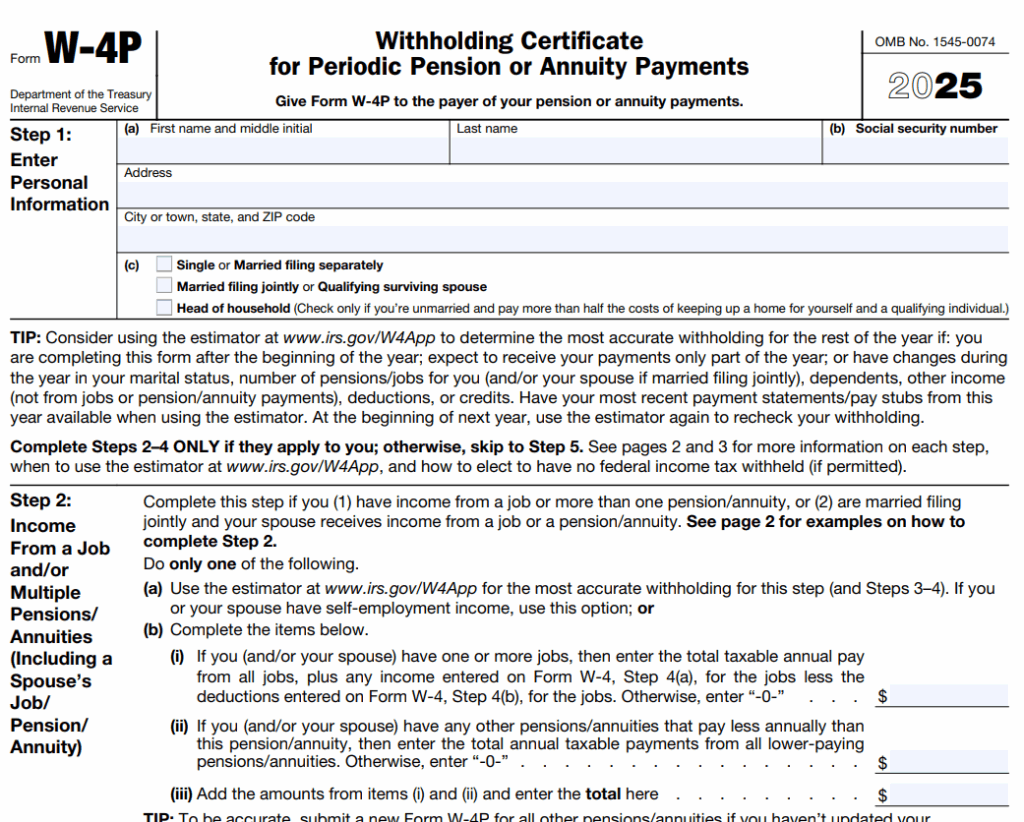
Optional. RMD’s are subject to federal and state income tax. You can arrange to have taxes withheld through your plan provider or pay the tax when the income is added to that year’s tax return. IRS Form W-4P contains more information on RMD withholding.
If I have more than one workplace retirement plan, do I have to take an RMD from both?
Yes.
Are beneficiaries required to take an annual RMD?
Generally, yes and the entire balance within 10-years.
What are the individual state rules regarding RMD’s?
Most states follow federal guidelines regarding the taxation of RMD’s. Oregon and California follow federal rules here.

This material is compiled from sources SST believes to be reliable. The possibility of error does exist. The material is intended only as educational and may omit information on exceptions, qualifications, definitions, and effective dates. The reader should not rely solely on this material but should review original sources to determine the law and applicability for each situation. Neither the author nor Solid State Tax Service, LLC will be responsible for any error, omission, or inaccuracy under any circumstance.